Why Hilo Makes Continuous Blood Pressure Monitoring Easier
-
by John Mike
-
May 04, 2026
-
250 comments
-
8 Minutes read
-
170 views
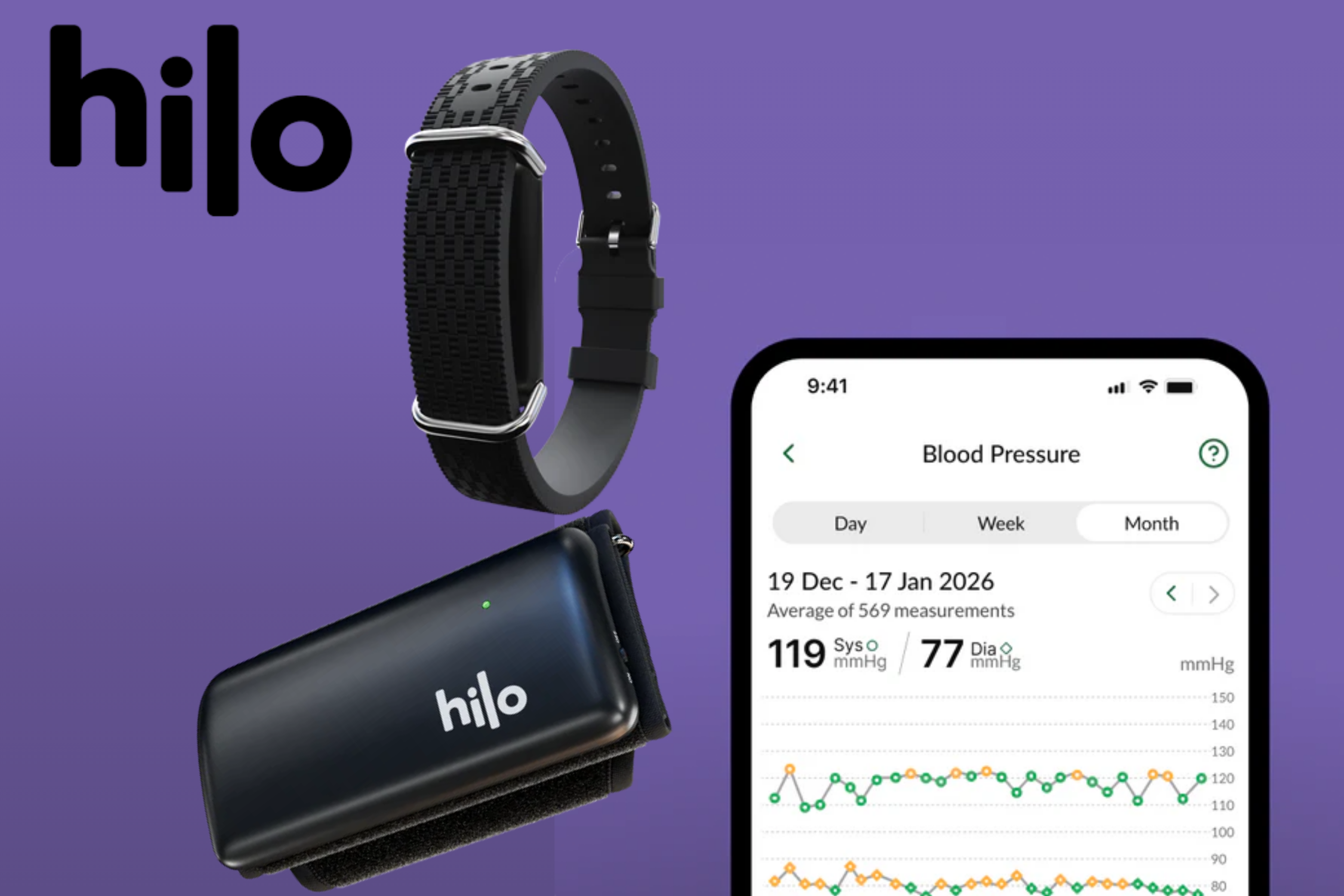
Discover how Hilo makes continuous blood pressure monitoring easier with wearable tracking, trend insights, and doctor-ready reports for better cardiovascular awareness.
A single blood pressure reading can miss the bigger picture. That is why continuous blood pressure monitoring is gaining attention among people who want deeper insight into their cardiovascular health.
Hilo offers a different approach from a standard upper-arm cuff. Instead of showing one isolated reading, it helps you see how blood pressure changes across your day and night. This article explains where traditional cuffs fall short, how the Hilo system works, what benefits it offers, and what to consider before you choose a monitoring solution.
The Problem With One-Off Blood Pressure Readings
Traditional cuffs still play an important role. They are familiar, widely used, and trusted for spot checks. However, they only capture one moment at a time.
That creates a clear limitation.
Blood pressure changes with sleep, stress, movement, recovery, and daily routine. A single reading taken while seated may not reflect what happens during work, exercise, or rest. As a result, you may miss patterns that matter.
Many people also struggle with technique. Cuff position, posture, timing, and recent activity can all affect results. Even with careful use, a one-time measurement cannot show how readings shift across a full day.
This is where continuous blood pressure monitoring offers more value. It moves the focus from isolated numbers to real-world patterns.
The Hilo System: More Than a Cuffless Device
Hilo is not just one device. It is a complete system designed to support continuous blood pressure monitoring through three connected parts.
Hilo Band
The Hilo Band is the wearable part of the system. It is designed for continual monitoring during the day and night. Because it is wearable, it fits more naturally into daily life than repeated cuff checks.
This matters if you want insight beyond a quiet seated moment.
Hilo App
The Hilo App turns measurements into useful information. It shows blood pressure trends, weekly and monthly averages, and personalized insights. In addition, it can generate doctor-ready reports for consultations.
That makes the data easier to understand and easier to use.
Hilo Cuff
The Hilo Cuff is used for initial and periodic calibration. This is a key part of Hilo’s clinically validated system. It helps connect the convenience of wearable monitoring with a structured medical-tech framework.
Together, the Band, App, and Cuff form one system rather than three separate tools.

Buy Now
Why Continuous Blood Pressure Monitoring Can Be More Useful
The value of continuous blood pressure monitoring is simple. It helps you see trends instead of relying on snapshots.
That shift can change how you understand your own readings.
It captures more of real life
A traditional cuff measures a moment. Hilo tracks blood pressure across more of your routine. Therefore, it can reveal patterns linked to sleep, activity, stress, and recovery.
For people trying to understand fluctuations, that broader view can be far more useful.
It supports trend analysis over time
One number can raise questions. A trend can provide context.
The Hilo App helps users track averages, time within target range, and long-term stability. Moreover, trend analysis can support more informed conversations with a healthcare professional.
It fits daily life more naturally
Repeated cuff readings can feel disruptive. A cuffless blood pressure monitor offers a more seamless experience for ongoing use. That convenience may help people stay more consistent with monitoring.
Consistency matters because better habits often lead to better insight.
Feature and Benefit Breakdown
Hilo stands out because it combines wearable convenience with clinical credibility and data-driven feedback.
Cuffless wearable comfort
The Hilo Band is designed for continual monitoring without requiring repeated upper-arm inflation throughout the day. That makes it a more comfortable option for long-term tracking.
Comfort alone is not the main benefit, however. Ease of use can improve adherence, which helps people gather more meaningful data.
Clinically certified design
Hilo is positioned as a clinically certified wearable system. The website states that the Hilo Bracelet G1 is CE-marked as a Class IIa medical device, and the platform highlights clinical validation and FDA-cleared components.
Those trust signals matter.
Health-tech buyers often want more than sleek design. They want evidence that a device has been developed and validated within a medical framework.
Insights that connect lifestyle and blood pressure
Blood pressure does not exist in a vacuum. It is shaped by behavior and routine.
Hilo aims to show how sleep, stress, movement, and recovery may relate to readings over time. In addition, the app helps users connect daily patterns with cardiovascular trends in a way that feels practical rather than abstract.
Doctor-ready reporting
Raw data can be hard to use. Reports make it more useful.
Hilo gives users a way to organize blood pressure trends for healthcare discussions. That can make appointments more productive, especially when the goal is to review patterns rather than one-off readings.
Hilo vs Traditional Cuffs
Choosing between Hilo and a standard cuff depends on what kind of insight you need.
Traditional cuffs are strong for spot checks
A standard cuff is still useful for single measurements. It is proven, familiar, and widely used in home and clinical settings.
If you only need occasional readings, a cuff may be enough.
Hilo offers a broader monitoring picture
Hilo is better suited to people who want to understand variability across the day and night. Its strength lies in continuous blood pressure monitoring, trend visibility, and lifestyle-linked insights.
Moreover, Hilo can help users move beyond the limits of intermittent readings.
The biggest difference is context
Traditional cuffs answer, “What is my blood pressure right now?”
Hilo is designed to help answer, “What patterns is my blood pressure following over time?”
That difference can be important for people who want a deeper view of cardiovascular behavior.
Buying Considerations Before You Choose Hilo
A modern monitoring system should fit both your goals and your routine. Before buying, think through these points.
Consider what kind of insight you want
If you only need an occasional reading, a traditional cuff may meet your needs. However, if you want ongoing pattern tracking, Hilo offers a stronger case.
Review the full system, not just the wearable
Hilo works as a combined setup. The Hilo Band, Hilo App, and Hilo Cuff each play a role. Therefore, it is important to evaluate the whole system rather than focusing on the wearable alone.
Think about how you use health data
Some people want simple readings. Others want trends, reports, and behavior-linked insights. Hilo is better suited to users who value analysis over snapshots.
Check certification and validation details
With health devices, trust matters. Review the product’s stated clinical validation, certification details, and intended use, so you know what to expect.
Who Hilo May Suit Best
Hilo may appeal most to people who want more than occasional measurements.
This includes health-conscious adults, users tracking blood pressure changes over time, and people who prefer wearable technology over repeated manual checks. In addition, it may suit users who want doctor-ready reports and a clearer view of how lifestyle factors influence readings.
For those users, continuous blood pressure monitoring can offer more context and more convenience.
FAQ
What is continuous blood pressure monitoring?
Continuous blood pressure monitoring tracks blood pressure across the day and night instead of showing one isolated reading. It helps reveal patterns over time.
How does Hilo work?
Hilo uses the Hilo Band for wearable monitoring, the Hilo App for trends and reports, and the Hilo Cuff for initial and periodic calibration.
Is Hilo a cuffless blood pressure monitor?
Hilo includes a wearable cuffless monitoring experience through the band, but it also uses a cuff for calibration as part of its full monitoring system.
How is Hilo different from a traditional blood pressure cuff?
A traditional cuff gives one reading per use. Hilo is designed for continuous blood pressure monitoring, which can show trends linked to daily life.
Why does clinical certification matter in a wearable device?
Clinical certification helps show that the device was developed and validated within a recognized medical framework. That can improve buyer confidence.
Who should consider Hilo?
Hilo may suit people who want long-term trend visibility, lifestyle-linked insights, and a more complete view of blood pressure behavior.
Conclusion
Hilo brings a more modern approach to continuous blood pressure monitoring. Instead of relying on one-off cuff readings alone, it combines wearable tracking, app-based insights, and calibration support in one connected system.
Its main strength is context. You can see how blood pressure behaves across daily life, not just in a single seated moment. For users who want better visibility, stronger trend analysis, and a more practical monitoring experience, Hilo stands out as a compelling option.
If that approach matches what you are looking for, you can learn more on the official page.
POPULAR BLOGS




Comment:
Your email address will not be published. Required fields are marked *