The Science of Flossing: Why Electric Flossers Are the Future of Oral Health
-
by Zayam AR
-
February 11, 2026
-
129 comments
-
7 Minutes read
-
429 views
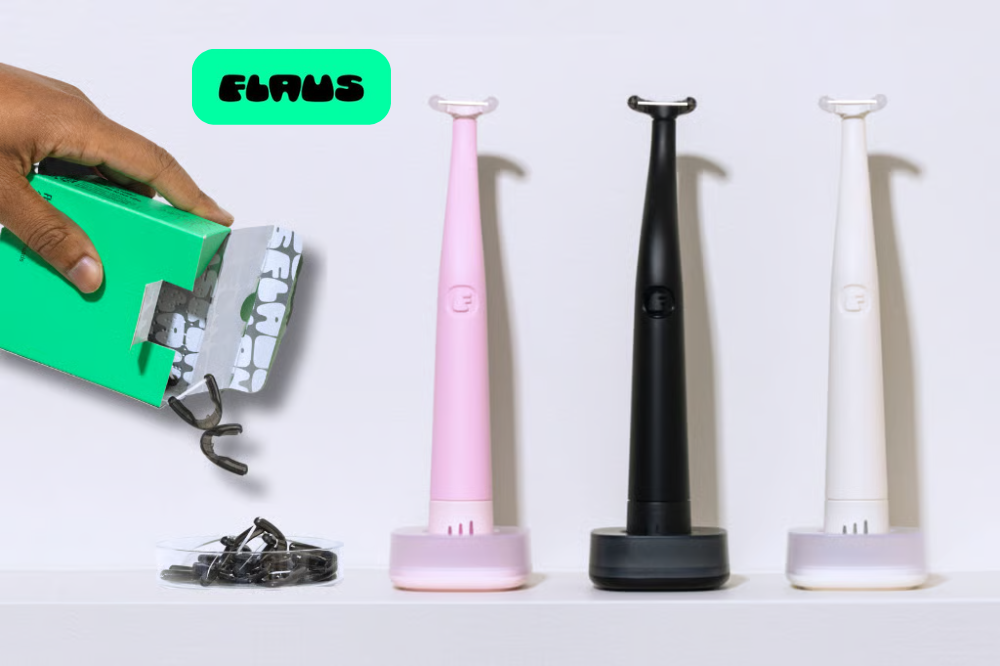
Discover why daily flossing is essential for gum health and how Flaus sonic electric flossers improve plaque removal and oral hygiene.
Your mouth is a complex ecosystem. While brushing your teeth is a critical first step in maintaining oral hygiene, it only cleans about 60% of your tooth surfaces. The other 40%—the tight spaces between your teeth and below the gumline—remains untouched. This is where the real danger lies, and it's why dentists are so insistent about daily flossing. But what does the science of flossing actually tell us about its importance?
Many people view flossing as an optional step, but the evidence is clear: skipping it has serious consequences for both your oral and overall health. This guide will explore the science behind why flossing is non-negotiable, the pitfalls of traditional methods, and how electric flossers are emerging as the future of effective oral care. Understanding this science is the first step toward building a habit that could save you from pain, expense, and long-term health complications.
The Undeniable Link Between Flossing, Plaque, and Gum Disease
To appreciate the importance of flossing, you first need to understand your opponent: plaque. Plaque is a sticky, colorless film of bacteria that constantly forms on your teeth. When you eat sugary or starchy foods, these bacteria produce acids that attack tooth enamel and can lead to cavities.
However, the real threat begins when plaque accumulates along and under the gumline.
-
- Gingivitis: Within 24 to 48 hours, plaque hardens into tartar (or calculus), which can no longer be removed by brushing alone. This tartar irritates the gums, causing inflammation, redness, and bleeding. This initial stage of gum disease is called gingivitis. It is reversible with proper oral care.
- Periodontitis: If left untreated, gingivitis can advance to periodontitis. The gums pull away from the teeth, forming pockets that become infected. The body's immune system fights the bacteria as the plaque spreads and grows below the gumline. This battle can break down the bone and connective tissue that hold teeth in place. Eventually, teeth can become loose and may need to be removed.
- Gingivitis: Within 24 to 48 hours, plaque hardens into tartar (or calculus), which can no longer be removed by brushing alone. This tartar irritates the gums, causing inflammation, redness, and bleeding. This initial stage of gum disease is called gingivitis. It is reversible with proper oral care.
Nearly half of all adults aged 30 or older show active signs of gum disease. The science of flossing is simple: it is the only way to mechanically disrupt and remove plaque from the interdental spaces where your toothbrush cannot reach.

Buy Now
Beyond the Mouth: Systemic Health Risks of Poor Oral Hygiene
The consequences of gum disease extend far beyond your mouth. Your gums are a gateway to your bloodstream. Chronic inflammation and infection from periodontitis have been scientifically linked to a host of serious systemic health conditions, including:
-
- Heart Disease: The bacteria from inflamed gums can enter the bloodstream and travel to the arteries in the heart, contributing to atherosclerosis (hardening of the arteries).
- Diabetes: The relationship is a two-way street. Gum disease can make it more difficult to control blood sugar, and people with diabetes are more susceptible to infections like periodontitis.
- Alzheimer's Disease: Recent studies have found bacteria from gum disease in the brains of patients with Alzheimer's, suggesting a potential link between oral health and cognitive decline.
- Respiratory Infections: Bacteria from your mouth can be inhaled into the lungs, causing infections like pneumonia, especially in individuals with weakened immune systems.
- Heart Disease: The bacteria from inflamed gums can enter the bloodstream and travel to the arteries in the heart, contributing to atherosclerosis (hardening of the arteries).
Flossing is not just about having clean teeth; it is a fundamental practice for protecting your long-term, overall health.
Why Traditional Flossing Fails for So Many
If flossing is so critical, why do over 70% of people fail to do it daily? The answer lies in the limitations of the traditional method itself. It is a technique-sensitive skill that presents significant barriers.
-
- Poor Technique: Many people use an aggressive "sawing" motion, which can traumatize the gums. Others fail to form the C-shape curve around the tooth, leaving plaque behind.
- Lack of Dexterity: Reaching the back molars requires a level of dexterity that can be challenging for many, especially those with arthritis or limited mobility.
- Low Compliance: Because it can be difficult, uncomfortable, and time-consuming, people simply give up, creating a cycle of guilt and avoidance.
- Poor Technique: Many people use an aggressive "sawing" motion, which can traumatize the gums. Others fail to form the C-shape curve around the tooth, leaving plaque behind.
This is where technological innovation becomes essential. Just as the electric toothbrush revolutionized brushing, the electric flosser is poised to do the same for interdental cleaning.
The Future is Electric: How Sonic Flossers Improve Outcomes
Electric flossers like Flaus are engineered to overcome the inherent flaws of traditional string floss. They use technology to make the process more effective, consistent, and user-friendly.
The Power of Sonic Vibrations
Flaus utilizes up to 18,000 sonic vibrations per minute. This technology creates a gentle but powerful "floss-assist" motion. Instead of relying on manual force, the vibrations help the floss glide effortlessly between even the tightest teeth. This motion effectively disrupts plaque biofilm while simultaneously massaging the gums, which promotes blood flow and improves tissue health. The science of flossing shows that consistent plaque removal is key, and sonic technology makes this process far more efficient.
Ergonomics and Accessibility
The ergonomic handle and Y-shaped head of the Flaus device eliminate the need to put fingers in your mouth. This makes it incredibly easy to access hard-to-reach molars without the awkward hand positioning required by string floss. This superior accessibility ensures a complete clean across the entire mouth, not just the easy-to-reach front teeth.
Building a Better Habit
Human behavior is built on positive reinforcement. When a task is difficult and uncomfortable, we avoid it. When it is easy and satisfying, we repeat it. Electric flossers transform flossing from a painful chore into a quick, gratifying ritual. Users often report a "just-left-the-dentist" feeling of clean, which encourages them to build and maintain a daily habit.
Expert Buying Considerations for Electric Flossers
When looking to invest in your oral health, not all devices are created equal. Keep these factors in mind:
-
- Cleaning Mechanism: Is it a water flosser or a physical flosser? While water flossers are good for dislodging food particles, they do not scrape away sticky plaque. For true prevention, you need a tool like Flaus that uses actual floss.
- Design and Engineering: Look for dentist-designed products. Dr. Vivian Roknian, a dentist and Flaus Dental Advisor, notes, "Flaus makes flossing easy, cleans great and is gentle on gums." Expert input ensures the device is both safe and effective.
- Sustainability: Oral care produces a significant amount of plastic waste. Choose brands that offer recyclable heads and demonstrate a commitment to reducing their environmental impact.
- Cleaning Mechanism: Is it a water flosser or a physical flosser? While water flossers are good for dislodging food particles, they do not scrape away sticky plaque. For true prevention, you need a tool like Flaus that uses actual floss.
Investing in a well-designed electric flosser is an investment in preventative health that can pay for itself by helping you avoid costly dental procedures down the line.
The science is clear: daily flossing is one of the most impactful things you can do for your health. While traditional methods have failed many, modern technology now provides a better path forward.

Buy Now
Learn more about Flaus and how it can improve your oral health.
Frequently Asked Questions
Does an electric flosser replace the need for dental checkups?
No. An electric flosser is a tool to improve your daily home care routine. It is still essential to visit your dentist regularly for professional cleanings and checkups, as they can remove hardened tartar and identify issues you cannot see.
How does sonic vibration in a flosser work?
Sonic vibrations create high-frequency, small-scale movements in the floss head. This helps the floss navigate tight contacts between teeth more easily and works to disrupt the sticky plaque biofilm, making it easier to remove from the tooth surface.
Can children use an electric flosser?
An electric flosser can be a great tool for children who lack the manual dexterity for traditional flossing. However, it's best to consult with your pediatric dentist to determine the right age and to ensure proper supervision and technique.
Is there an adjustment period when starting with an electric flosser?
Some users may experience minor gum sensitivity or slight bleeding for the first few days, especially if they haven't been flossing regularly. This is normal and typically subsides as your gums become healthier. Flaus offers multiple speeds to help new users adjust comfortably.
What is the scientific consensus on water flossers vs. string floss?
The American Dental Association (ADA) states that water flossers can be a good option for reducing gingivitis, but they have not been proven to remove plaque as effectively as traditional string floss. For this reason, many dentists recommend using a tool that employs physical floss, like Flaus, as the primary method for interdental cleaning.
POPULAR BLOGS




Comment:
Your email address will not be published. Required fields are marked *