The Science of Better Sleep: How Luumun Combines Technology and Wellness
-
by Zayam AR
-
February 09, 2026
-
254 comments
-
7 Minutes read
-
383 views
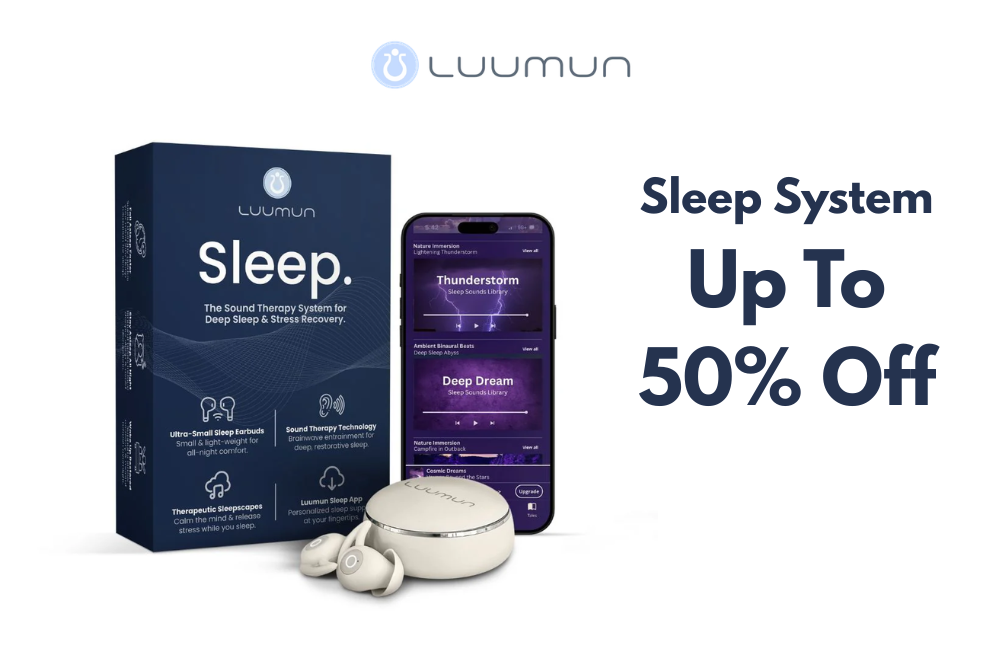
Explore the science of better sleep, brainwave entrainment, and how Luumun sleep earbuds use sound and neuroscience to improve rest naturally.
Sleep is not merely a passive state where the body shuts down; it is a complex, active process of restoration that is fundamental to human biology. Yet, in our constantly connected society, true rest has become elusive. We are overstimulated, stressed, and bombarded with blue light, all of which disrupt the delicate biological rhythms that govern our recovery. Understanding the science of better sleep is no longer just for researchers; it is essential knowledge for anyone looking to reclaim their energy, health, and mental clarity.
While traditional advice often focuses on buying a better mattress or cutting out caffeine, modern sleep science points to a more direct avenue for improvement: the brain itself. This article explores the mechanics of sleep, the fascinating world of brainwave entrainment, and how innovations in sleep wellness technology—like the Luumun Sleep System—are bridging the gap between neuroscience and daily wellness.
Understanding the Architecture of Sleep
To improve sleep quality, we must first understand what happens when we close our eyes. Sleep is composed of cycles, each lasting roughly 90 minutes, which repeat throughout the night. These cycles are divided into distinct stages:
-
- Light Sleep (N1 & N2): The transition from wakefulness. Heart rate slows, and body temperature drops.
- Deep Sleep (N3): Also known as slow-wave sleep. This is the critical period for physical restoration, muscle repair, and immune system strengthening.
- REM Sleep (Rapid Eye Movement): The stage where dreaming occurs. REM is vital for cognitive functions like memory consolidation, learning, and emotional processing.
- Light Sleep (N1 & N2): The transition from wakefulness. Heart rate slows, and body temperature drops.
The problem for many isn't just "falling asleep"—it's transitioning smoothly through these stages without interruption. Stress and anxiety often keep the brain in a state of "hyperarousal," characterized by fast, erratic brainwaves (Beta waves) that make entering deep, restorative stages difficult. This is where technology intervenes.

Buy Now
The Power of Brainwave Entrainment
Your brain operates on electrical impulses that can be measured in terms of frequency. When you are awake and alert, your brain emits high-frequency Beta waves. When you are relaxed, it shifts to Alpha waves. As you drift into deep sleep, it slows down to Theta and finally to Delta waves.
Brainwave entrainment is a method of using rhythmic stimuli—such as sound or light—to guide the brain into a specific frequency. It relies on the "frequency-following response," a natural phenomenon in which the brain synchronizes its electrical activity to the rhythm of an external stimulus.
How Binaural Beats Work
One of the most effective forms of auditory entrainment is the use of binaural beats for sleep. The concept is surprisingly simple but biologically profound.
If you play a tone of 200 Hz in your left ear and a tone of 210 Hz in your right ear, your brain perceives the difference between the two—a 10 Hz "beat." It then naturally aligns its own brainwave frequency to match that 10 Hz beat. In this example, 10 Hz corresponds to Alpha waves, inducing a state of calm relaxation. By lowering the frequency difference further, technology can guide the brain down into Theta (drowsiness) and Delta (deep sleep) states.
Merging Nature and Neuroscience: Solfeggio Frequencies
While binaural beats speak the language of neuroscience, Solfeggio frequencies speak to a more ancient understanding of sound and vibration. These specific tones have been used for centuries in various cultures to promote healing and balance.
Modern sleep systems often combine these frequencies with nature sounds to create a layered auditory environment. For example, a 528 Hz frequency (often associated with stress reduction) layered under the sound of gentle rain creates a dual effect: the nature sound masks environmental noise, while the frequency works on a subconscious level to lower cortisol and encourage relaxation.
How Luumun Integrates Sleep Science
The challenge with most sleep technologies is delivery. Listening to binaural beats through phone speakers is ineffective because the frequencies dissipate in the air before reaching the ears separately. Standard headphones are often too bulky to wear comfortably while lying down.
The Luumun Sleep System addresses these scientific and practical hurdles simultaneously.
1. Precision Delivery
Luumun’s luxury sleep earbuds are designed to deliver audio directly into the ear canal, ensuring the integrity of the binaural beats. This precise delivery is crucial for the brain to detect the frequency difference and initiate the entrainment process. By creating an isolated auditory environment, the system maximizes the effectiveness of the sleep wellness technology.
2. The Psychology of Ritual
Beyond the hardware, the system leverages the psychology of habit formation. By associating the act of putting in the earbuds with sleep, you create a powerful neurological cue. Over time, the brain begins to downregulate simply by sensing the earbuds, priming the body for rest before the audio even begins.
3. A Curated Soundscape
The integrated app library offers over 50 sleepscapes that aren't just random noises. They are engineered audio tracks that combine nature sounds, white noise, and targeted frequencies. This allows users to customize their auditory environment to match their specific sleep needs—whether that’s masking a snoring partner or calming a racing mind.
Sleep Earbuds vs. Traditional Sleep Aids
When looking at the science of better sleep, it is helpful to compare technological interventions with other common aids.
The distinction is clear: while pills force sedation and earplugs block sound, systems like Luumun actively cooperate with the brain's natural processes to encourage organic sleep cycles.
Making Technology Work for Your Sleep Hygiene
Adopting sleep wellness technology is most effective when combined with good sleep hygiene. The science suggests a holistic approach creates the best results.
-
- Consistency is Key: Use your sleep system at the same time every night. This reinforces your circadian rhythm.
- Limit Blue Light: The light from screens suppresses melatonin. Switch to audio-only input (like your sleep earbuds) at least 30 minutes before bed.
- Temperature Matters: A cooler room (around 65°F or 18°C) mimics the body's natural temperature drop during sleep, enhancing the effect of the relaxing audio.
- Consistency is Key: Use your sleep system at the same time every night. This reinforces your circadian rhythm.
The Future of Rest is Intelligent
We are moving past the era of generic sleep advice and into an age of personalized, scientifically grounded wellness. The science of better sleep reveals that our brains are capable of relearning how to rest deeply if given the right signals.
Technology, when designed with biological principles in mind, is not a distraction from nature but a tool to reconnect with it. Systems like Luumun represent a shift towards "intelligent rest"—a method that respects the complexity of human biology while offering a practical, drug-free solution for the modern world. By harnessing the power of sound and neuroscience, we can stop fighting for sleep and start engineering it.
If you are interested in a data-backed approach to your nightly rest, exploring how specialized audio can influence your sleep quality is a logical next step.

Buy Now
Learn More About the Science Behind the Luumun Sleep System
Frequently Asked Questions (FAQ)
Are binaural beats safe to use every night?
Yes, binaural beats are non-invasive and considered safe for long-term use. They simply utilize sound frequencies to encourage the brain into a relaxed state naturally.
Can I use regular headphones for binaural beats?
While possible, standard headphones are often uncomfortable for sleeping, especially for side-sleepers. Additionally, if the headphones dislodge during the night, the entrainment effect is broken. Specialized sleep earbuds like Luumun are designed to stay in place and remain comfortable all night.
Will this technology work if I have tinnitus?
Many people with tinnitus find relief using sleep earbuds. The combination of ambient nature sounds or white noise can help mask the internal ringing, while the relaxation frequencies help reduce the stress often associated with the condition.
Do I need to understand the science to use the product effectively?
Not at all. The beauty of the system is its simplicity. The engineering is built into the tracks. You simply choose a soundscape that is pleasing to you, and your brain does the rest of the work automatically.
POPULAR BLOGS




Comment:
Your email address will not be published. Required fields are marked *