Why LILYGO® ESP32 LoRa Boards Are the Best Choice for IoT Projects
-
by Zayam AR
-
January 12, 2026
-
156 comments
-
5 Minutes read
-
414 views
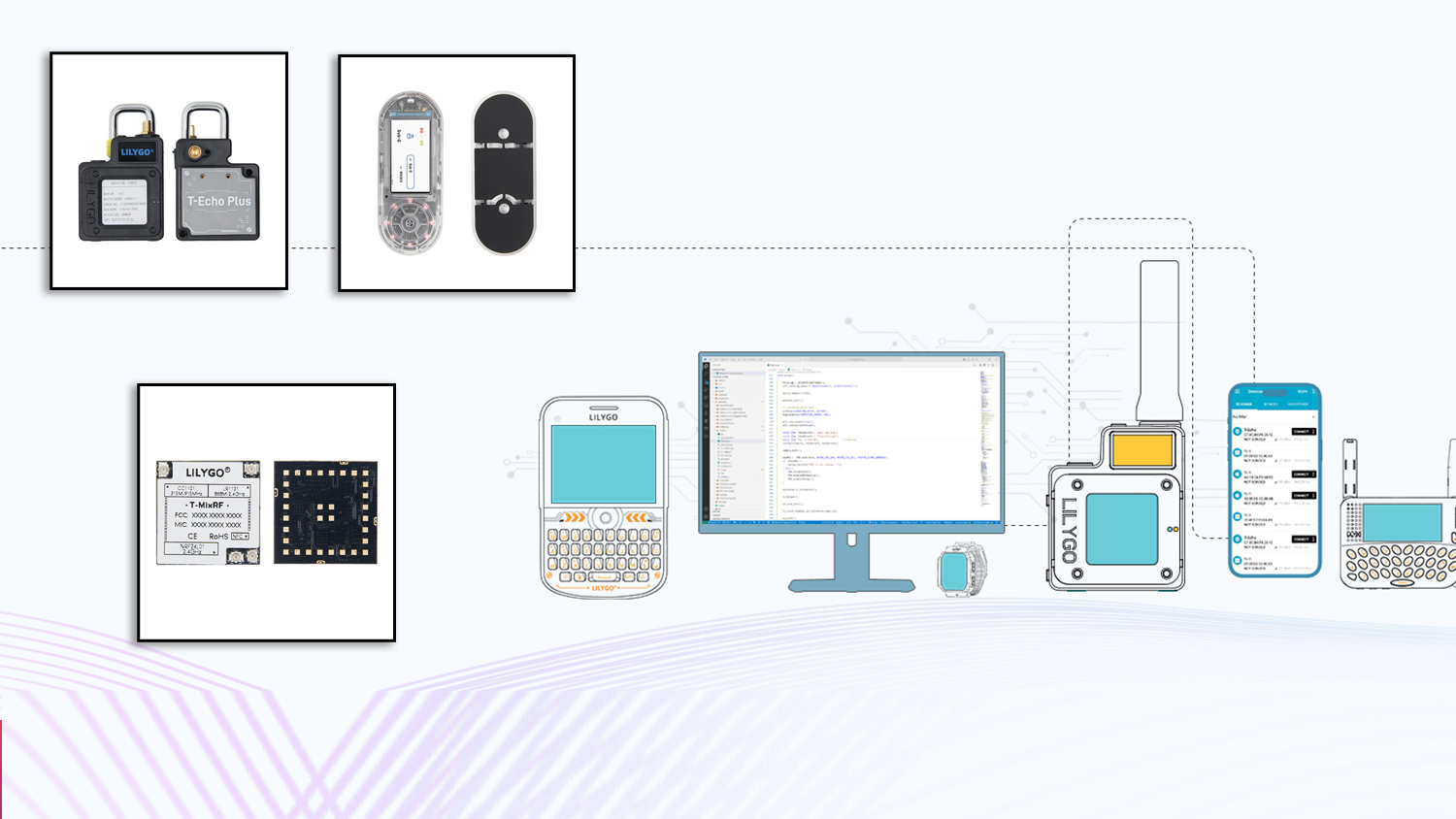
LILYGO® ESP32 LoRa boards deliver long-range, low-power IoT connectivity with integrated GPS, OLED, and open-source support for developers.
Connectivity is the heartbeat of any Internet of Things (IoT) project. Whether you are building a smart farm sensor network, a remote weather station, or a community communication grid, the success of your build hangs on one critical factor: reliable data transmission. For makers and engineers, the struggle is often finding a balance between range, power consumption, and cost. Wi-Fi falls short on range; cellular eats up battery life and budget.
This is where LoRa (Long Range) technology changes the game, and specifically, where LILYGO® ESP32 LoRa boards stand in a league of their own. By combining the versatile ESP32 microcontroller with high-performance LoRa transceivers, LILYGO® provides the ultimate toolkit for developers who refuse to compromise. If you are tired of dropped connections and power-hungry modules, it is time to switch to a solution built for the real world. This guide explores why LILYGO® is the top choice for serious IoT innovation.
The Power of ESP32 Meets LoRa
At the core of these boards is a marriage of two powerful technologies. The ESP32 is a dual-core microcontroller known for its robustness, Wi-Fi, and Bluetooth capabilities. When paired with a LoRa transceiver (like the SX1276 or SX1262), you get a device that can communicate over kilometers while sipping microamps of power.
LILYGO® has mastered this integration. Unlike generic modules that require messy wiring and external components, LILYGO® development boards come as cohesive, all-in-one units. They integrate OLED displays, battery management systems, and SMA antenna connectors directly onto the PCB. This means less time soldering and troubleshooting, and more time coding and deploying.

Buy Now
Stop troubleshooting hardware. Start building with LILYGO® ESP32 LoRa Boards.
Key Advantages: Why Developers Choose LILYGO®
Choosing hardware is an investment in your project's future. Here is why thousands of developers trust LILYGO® for their LoRa applications.
1. Unmatched Long-Range Communication
In open environments, LILYGO® LoRa boards can transmit data over several kilometers. This makes them ideal for rural applications, agricultural monitoring, or urban mesh networks like Meshtastic. You are no longer tethered to the limited range of a local router.
2. Ultra-Low Power Consumption
IoT devices often need to run for months or years on a single battery charge. LILYGO® engineers their boards with deep sleep optimization in mind. With proper coding, these boards can wake up, send a data packet, and return to sleep in milliseconds, drastically extending battery life.
3. All-in-One Integration
Forget the breadboard spaghetti. Models like the T-Beam and T3 LoRa32 include essential features like:
-
- Integrated OLED Screens: Visualize data or debug status instantly without a PC.
- GPS Modules (on T-Beam): Perfect for asset tracking and location-based services.
- 18650 Battery Holders: On-board power management makes them field-ready right out of the box.
- Integrated OLED Screens: Visualize data or debug status instantly without a PC.
4. Open-Source Ecosystem Support
LILYGO® embraces the open-source philosophy. Their hardware is fully compatible with the Arduino IDE, PlatformIO, and MicroPython. Furthermore, the active community support means you have access to extensive libraries, sample code, and documentation on GitHub to jumpstart your development.
Pros and Cons of LILYGO® ESP32 LoRa Boards
To ensure this is the right fit for your needs, let's look at the strengths and considerations.
Pros:
-
- High Integration: Screen, LoRa, Wi-Fi, BLE, and battery management on one board.
- Cost-Effective: Factory-direct pricing offers immense value for the features provided.
- Versatile: Supports 433MHz, 868MHz, and 915MHz frequencies for global compliance.
- Community Driven: Massive support network and existing codebases.
- High Integration: Screen, LoRa, Wi-Fi, BLE, and battery management on one board.
Cons:
-
- Pin Availability: Due to the number of integrated peripherals, free GPIO pins can sometimes be limited compared to a bare ESP32.
- Antenna Tuning: To get maximum range, you may need to upgrade the stock antenna depending on your specific environment.
- Pin Availability: Due to the number of integrated peripherals, free GPIO pins can sometimes be limited compared to a bare ESP32.
Buying Considerations: Selecting the Right Board
Not all projects are created equal. Here is how to choose the right LILYGO® board for your specific application.
Best for Asset Tracking: LILYGO® T-Beam
If your project involves tracking vehicles, pets, or high-altitude balloons, the T-Beam is the industry standard. It includes an onboard GPS module and an 18650 battery holder, making it a completely self-contained tracking unit.
Best for Compact Sensors: LILYGO® T3 LoRa32
For stationary sensors where size matters, the T3 LoRa32 packs an OLED display and LoRa connectivity into a slim form factor. It is perfect for temperature monitors, door sensors, or remote controls.
Best for Mesh Networking: LILYGO® T-Deck or T-Echo
If you are building a Meshtastic node for off-grid communication, consider the T-Echo or T-Deck. These devices often feature e-Paper screens for sunlight readability and extremely low power consumption tailored for messaging.

Buy Now
Browse the full collection of LILYGO® LoRa Boards and find your perfect match.
Frequently Asked Questions (FAQ)
Which frequency should I choose (433MHz, 868MHz, or 915MHz)?
This depends entirely on your region. Generally, 915MHz is used in the Americas, 868MHz in Europe, and 433MHz in parts of Asia. Always check your local radio regulations before purchasing to ensure compliance.
Can I use these boards with Meshtastic?
Absolutely. LILYGO® boards like the T-Beam and T-Echo are among the most popular devices for the Meshtastic project due to their integrated GPS and LoRa capabilities.
Do I need an external battery?
Most LILYGO® LoRa boards can be powered via USB-C for development. However, for field deployment, they include connectors for Lithium-Ion or LiPo batteries, and many have onboard charging circuits.
Is the antenna included?
Yes, LILYGO® boards typically ship with a basic antenna suited for the frequency you select. For extremely long-range tests, upgrading to a higher-gain antenna is a common and easy modification.
Build Without Boundaries
The era of limited connectivity is over. Whether you are a hobbyist building a smart garden or an engineer designing a city-wide sensor grid, LILYGO® ESP32 LoRa boards offer the reliability, integration, and community support you need to succeed.
Don't let inferior hardware bottleneck your creativity. Choose the hardware that is designed to go the distance.
Click here to shop LILYGO® ESP32 LoRa Boards and unleash your IoT potential today.
POPULAR BLOGS


Comment:
Your email address will not be published. Required fields are marked *